

Fade or taper, which one should you choose?
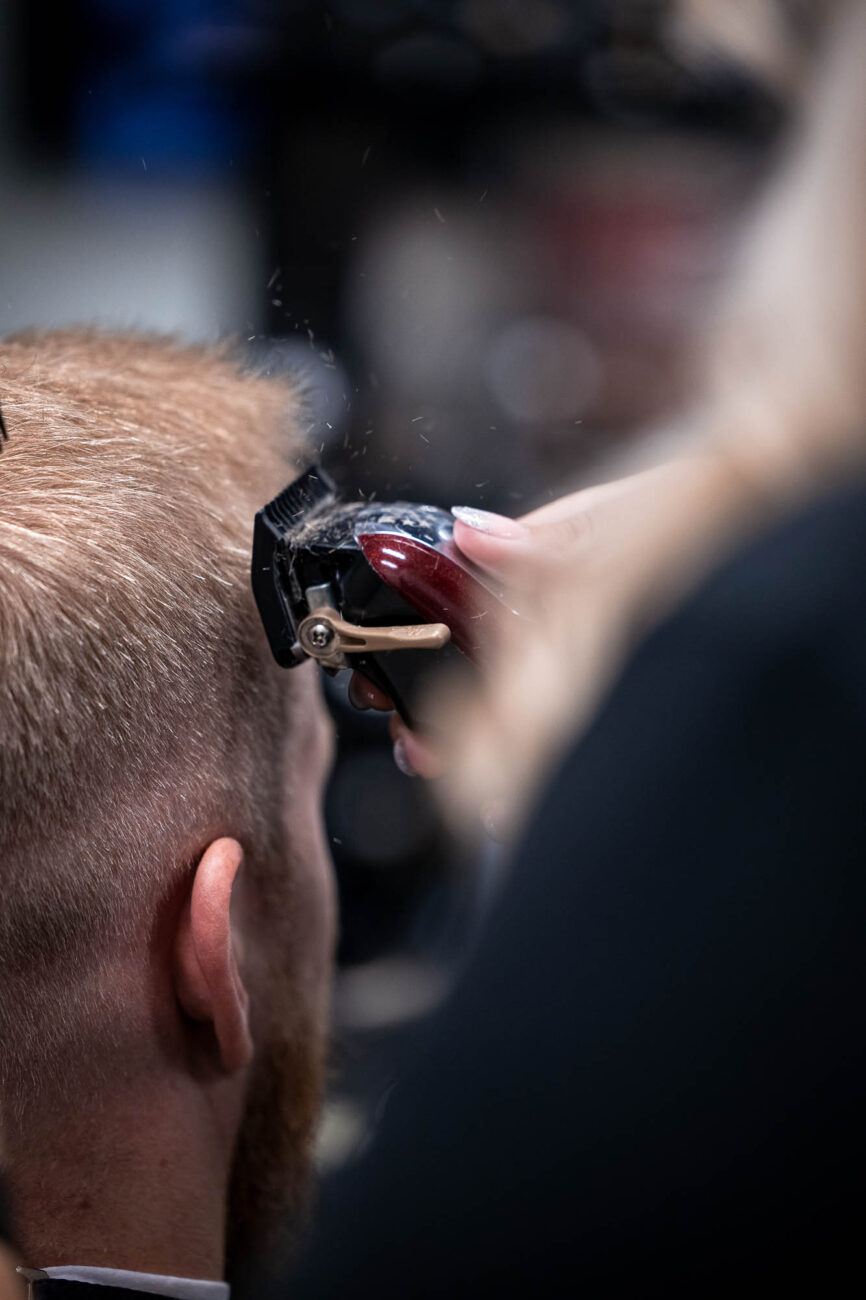
Fade or taper, both terms come up constantly at the barbershop, and they often get mixed up. The difference is actually clear once you understand it, and it directly affects which result suits you best.
Taper means a gradual shortening: hair gets shorter smoothly toward the neck and ears, but there’s still length left throughout. The change is subtle, and there’s no sharp line anywhere between skin and hair. Taper works with nearly any style and suits anyone who wants a clean look without too bold a change.
Fade takes it a step further. Hair is cut down to the skin, creating a clear, sharp transition between hair and bare skin. A fade can be done low, mid, or high depending on how far up the transition sits. Fade is a bolder choice and works well if you want more contrast and sharpness in your style. It also pairs well with more length on top, which makes the contrast stand out even more.
Fade or taper, which one fits you?
If you prefer a relaxed, more subtle transition, taper is probably the better fit. If you want a sharper, more defined look, fade is the way to go.
Face shape and hair type play a role too. Thick, dense hair works well with either style, while finer hair might benefit from a look that doesn’t draw too much attention to the roots. Everyday life matters as well: a fade usually needs more frequent visits to keep the sharp line looking clean, while a taper holds up a bit longer between appointments.
Let your barber help you decide
The best way to find the style that works for you is to talk it through directly with your barber. They can see your hair type and face shape right away and suggest which option suits you better. Sometimes a mix of both, taper on the sides with a light fade at the neckline, might be exactly what you’re looking for.